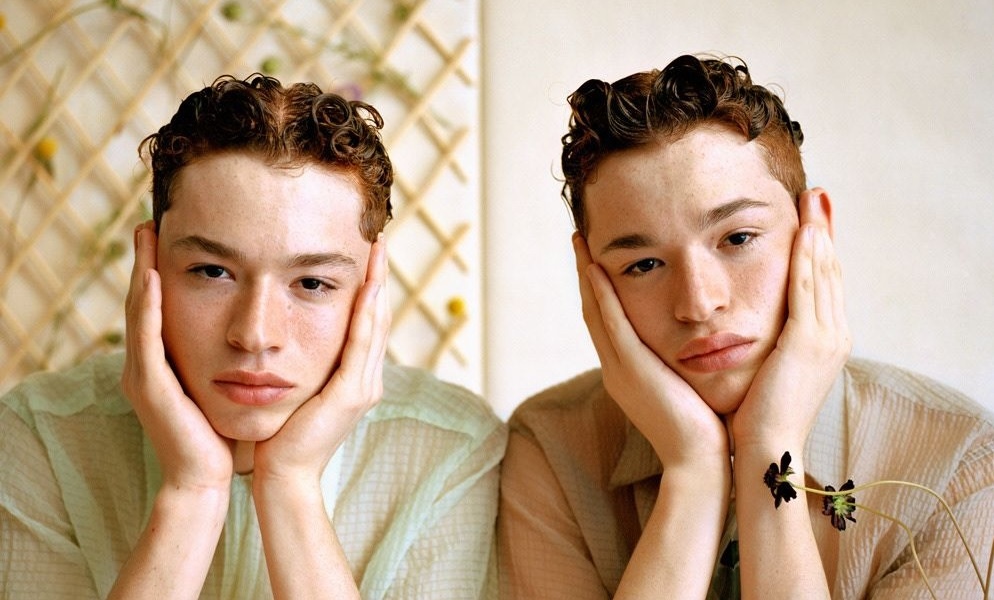
The Power of Playing Every Role highlights a flexible storytelling format where one creator embodies multiple characters to express different viewpoints or conflicts.
The “single-person skit” trend is taking the playful energy of the clone trend and giving it a fresh, story-driven twist. Rather than relying on multiple talents simply interacting, this approach turns one person into multiple versions of themselves, each representing different thoughts, attitudes, or personas, creating comedy, tension, and storytelling in bite-sized, relatable scenes.
A classic setup might be a coffee table conversation: two versions of the same person argue, negotiate, or give advice over a cup of coffee. But the format is endlessly flexible. One character could be a cab driver while the other is a passenger, or characters could appear across multiple locations on the phone with one another to heighten the absurdity. You can shoot simple setups or go complex, blending clever camera angles, mirrors, and split-screen editing to show both characters together or separately.
This trend thrives on internal humor; the kinds of arguments, contradictions, and conflicting thoughts we all experience. Angel vs. devil versions of ourselves, competing motivations, or just ridiculous self-debates can make the content universally relatable and highly shareable. By externalizing internal thoughts in a visual and funny way, creators can explore personal storytelling while leaning into short-form comedy.
The beauty of the single-person skit is its versatility. Brands and creators alike can leverage it for humorous commentary, product-led jokes, or lifestyle storytelling. It’s a format that encourages creativity while keeping production accessible, perfect for social-first content that’s funny, human, and endlessly rewatchable.
A classic setup might be a coffee table conversation: two versions of the same person argue, negotiate, or give advice over a cup of coffee. But the format is endlessly flexible. One character could be a cab driver while the other is a passenger, or characters could appear across multiple locations on the phone with one another to heighten the absurdity. You can shoot simple setups or go complex, blending clever camera angles, mirrors, and split-screen editing to show both characters together or separately.
This trend thrives on internal humor; the kinds of arguments, contradictions, and conflicting thoughts we all experience. Angel vs. devil versions of ourselves, competing motivations, or just ridiculous self-debates can make the content universally relatable and highly shareable. By externalizing internal thoughts in a visual and funny way, creators can explore personal storytelling while leaning into short-form comedy.
The beauty of the single-person skit is its versatility. Brands and creators alike can leverage it for humorous commentary, product-led jokes, or lifestyle storytelling. It’s a format that encourages creativity while keeping production accessible, perfect for social-first content that’s funny, human, and endlessly rewatchable.