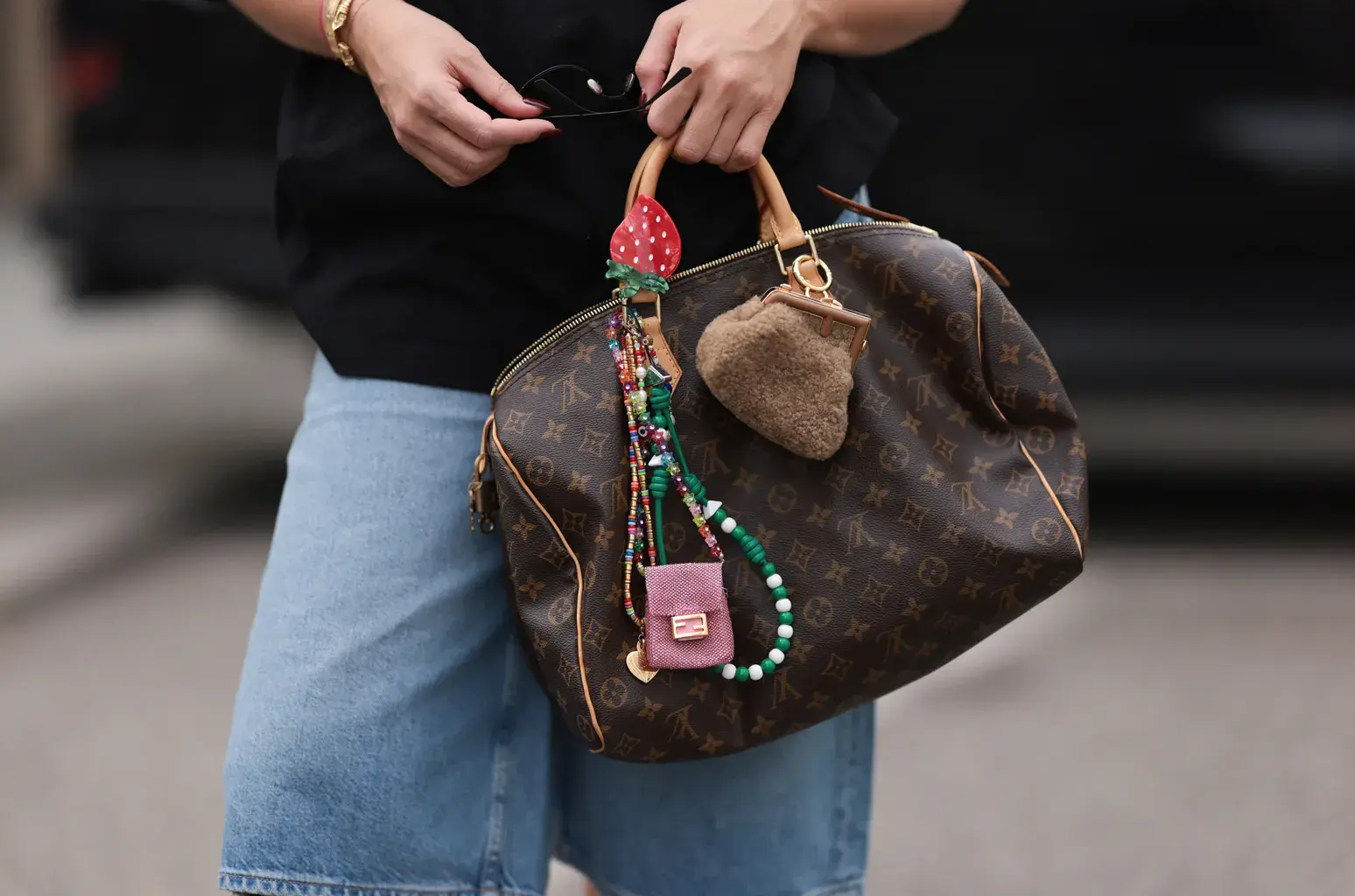
Gen Z is redefining accessorization as a form of self-expression, turning everyday objects into personal statements that reflect individuality, creativity, and identity.
For Gen Z, accessorizing isn’t just about completing an outfit, it’s about curating identity. The generation that grew up online has mastered the art of self-branding, transforming everyday items into personal statements. From keychains dangling with trinkets to phone cases covered in stickers and shoe laces adorned with charms, every detail becomes a tool for storytelling.
Where older generations might have seen accessories as the finishing touch, Gen Z treats them as the main event. The rise of “micro-accessorization”, decorating everything from headphones to water bottles, reflects a desire for individuality in a world of mass production. TikTok aesthetics like coquette, blokecore, or clean girl aren’t just fashion moments; they’re entire visual languages. Accessories become the vocabulary.
Customization has also become a form of creative rebellion. It’s less about luxury logos and more about authenticity, a mix of DIY, thrifted finds, and brand collaborations that feel personal. The message is clear: if it can be customized, it will be.
This accessorization culture stretches far beyond fashion. It’s visible in how Gen Z decorates their digital spaces, curates playlists, or even personalizes their planners. The aesthetic isn’t static, it evolves with moods, seasons, and identities.
Brands are adapting fast, realizing that offering customization options is no longer a novelty, it’s an expectation. From sneakers to skincare bottles to digital avatars, personalization invites participation. It gives consumers the chance to co-create rather than simply consume.
In essence, Gen Z is rewriting the rules: style isn’t about owning more, it’s about making what you own feel uniquely yours. Accessorizing is no longer an afterthought; it’s the story itself.
Where older generations might have seen accessories as the finishing touch, Gen Z treats them as the main event. The rise of “micro-accessorization”, decorating everything from headphones to water bottles, reflects a desire for individuality in a world of mass production. TikTok aesthetics like coquette, blokecore, or clean girl aren’t just fashion moments; they’re entire visual languages. Accessories become the vocabulary.
Customization has also become a form of creative rebellion. It’s less about luxury logos and more about authenticity, a mix of DIY, thrifted finds, and brand collaborations that feel personal. The message is clear: if it can be customized, it will be.
This accessorization culture stretches far beyond fashion. It’s visible in how Gen Z decorates their digital spaces, curates playlists, or even personalizes their planners. The aesthetic isn’t static, it evolves with moods, seasons, and identities.
Brands are adapting fast, realizing that offering customization options is no longer a novelty, it’s an expectation. From sneakers to skincare bottles to digital avatars, personalization invites participation. It gives consumers the chance to co-create rather than simply consume.
In essence, Gen Z is rewriting the rules: style isn’t about owning more, it’s about making what you own feel uniquely yours. Accessorizing is no longer an afterthought; it’s the story itself.