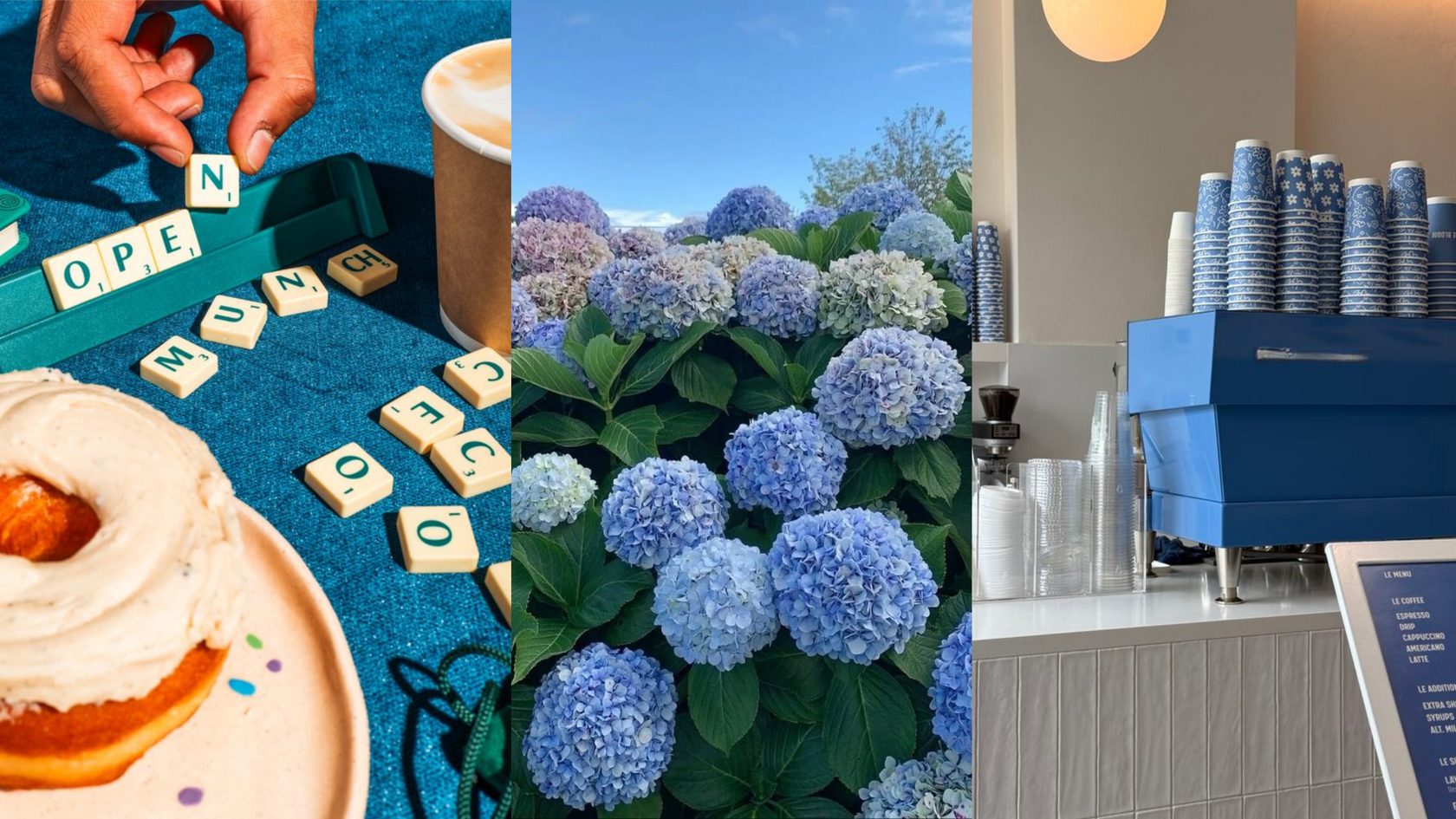
Creators and brands are reinventing split screens with ripple effects, synced transitions, and seamless motion, turning a simple side-by-side edit into a dynamic, art-directed way to tell multiple stories built for the scroll.
A new wave of visual experimentation is taking over social feeds, the rise of duo-screen videos. Once a simple editing technique to show two clips side by side, the format has evolved into a dynamic storytelling tool that blends creativity, rhythm, and visual depth.
What began as a way to compare looks, products, or reactions has now turned into a playground for innovation. Creators and brands are layering multiple clips across split frames, syncing transitions, and even creating ripple effects that flow across all frames. In some, objects or movements pop between frames, blurring the lines between what’s separate and what’s connected. The result is a visually charged effect that instantly catches attention, and keeps viewers watching longer.
The trend’s versatility is what makes it so powerful. Duo-screen content can function as a moodboard, styling inspiration, or product showcase, letting brands display multiple colorways, textures, or moments in a single, cohesive video. Others are using it for storytelling, like day-in-the-life montages that unfold across panels, or horizontally panning sequences that sweep across multiple frames, stitching together clips into one flowing visual journey.
For brands, the appeal lies in the creative efficiency: a single post can convey a range of ideas, aesthetics, or narratives while feeling effortless and scroll-stopping. As the format grows more sophisticated, the best examples aren’t just visually interesting, they’re emotionally engaging, inviting viewers to interact, replay, and reinterpret.
At VX Media, we see duo-screen storytelling as part of a broader movement toward format innovation, where creativity comes as much from editing and framing as from concept. The future of short-form content isn’t just about what’s in the frame, but how many frames you can tell a story through.
What began as a way to compare looks, products, or reactions has now turned into a playground for innovation. Creators and brands are layering multiple clips across split frames, syncing transitions, and even creating ripple effects that flow across all frames. In some, objects or movements pop between frames, blurring the lines between what’s separate and what’s connected. The result is a visually charged effect that instantly catches attention, and keeps viewers watching longer.
The trend’s versatility is what makes it so powerful. Duo-screen content can function as a moodboard, styling inspiration, or product showcase, letting brands display multiple colorways, textures, or moments in a single, cohesive video. Others are using it for storytelling, like day-in-the-life montages that unfold across panels, or horizontally panning sequences that sweep across multiple frames, stitching together clips into one flowing visual journey.
For brands, the appeal lies in the creative efficiency: a single post can convey a range of ideas, aesthetics, or narratives while feeling effortless and scroll-stopping. As the format grows more sophisticated, the best examples aren’t just visually interesting, they’re emotionally engaging, inviting viewers to interact, replay, and reinterpret.
At VX Media, we see duo-screen storytelling as part of a broader movement toward format innovation, where creativity comes as much from editing and framing as from concept. The future of short-form content isn’t just about what’s in the frame, but how many frames you can tell a story through.